
Summary
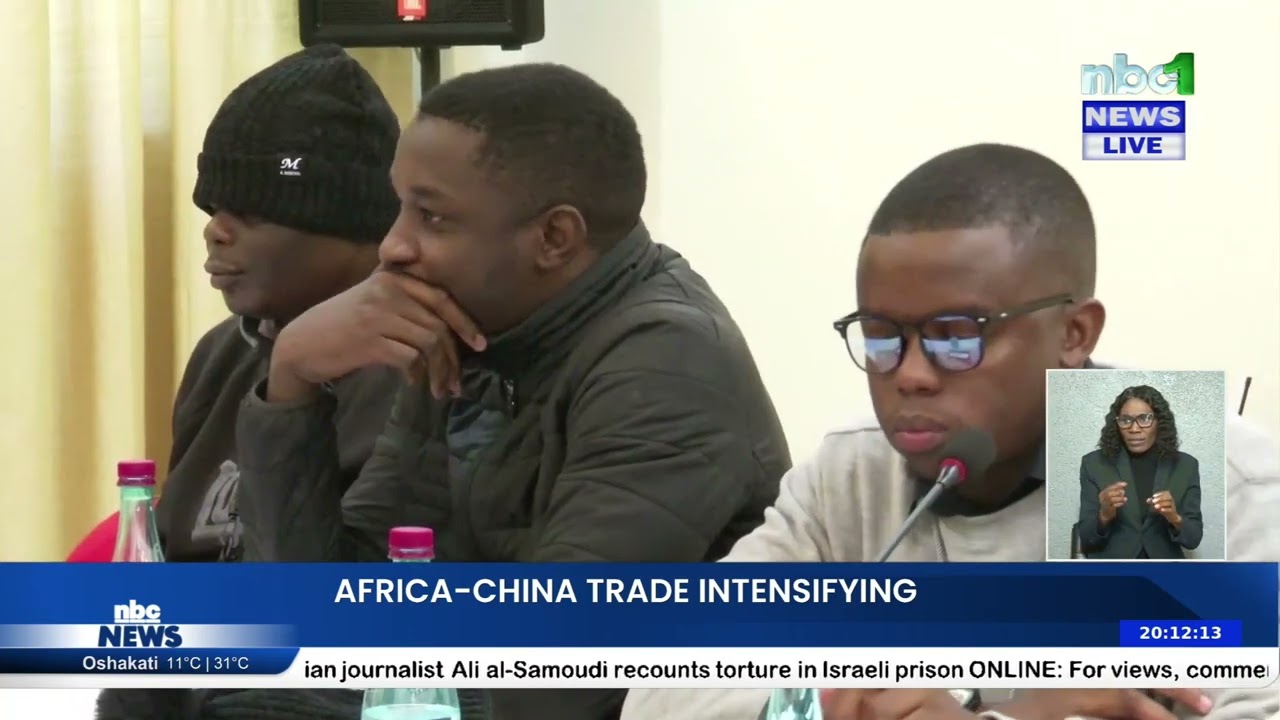
In a significant move, **China** has expanded its duty-free import policy to cover **53 African nations**, effective May 1, 2026, and lasting until April 30, 2028. This policy, previously applied to 33 least-developed countries as of December 2024, now includes almost the entire continent, with **Eswatini** being the sole exception due to its diplomatic ties with **Taiwan**. Beijing is touting this as a major initiative, positioning itself as a leading trade liberalizer for Africa, particularly in contrast to the **United States**. However, analysts caution that while this could boost agricultural exports, it does little to address the widening **$102 billion trade deficit** Africa holds with China, which is dominated by raw materials.
Key Takeaways
- China has extended duty-free import status to 53 African nations until April 2028.
- Eswatini is the sole African country excluded due to its recognition of Taiwan.
- The policy is framed by China as a move to boost African exports and soft power.
- Analysts highlight that structural issues in African economies limit the potential impact.
- Africa's trade deficit with China remains substantial, widening to $102 billion last year.
Balanced Perspective
**China**'s expansion of duty-free imports to 53 African nations is a clear geopolitical and economic play, aiming to enhance its soft power and present an alternative to Western trade policies. While the policy is set to last until April 2028, its actual impact on African exports is debated. The primary beneficiaries are likely to be African agricultural products, but structural impediments such as limited industrial capacity, weak logistics, and reliance on raw commodity exports in many African economies mean that tariff reductions alone will not solve the continent's substantial trade deficit with China, which stood at **$102 billion** in the previous year.
Optimistic View
This unilateral zero-tariff policy from **China** represents a historic opportunity for African nations to significantly boost their agricultural and manufactured exports. By removing a key barrier, **Beijing** is fostering a more equitable trade relationship and potentially elevating rural incomes, improving productivity, and combating hunger and poverty across the continent. Countries like **South Africa** and **Morocco**, with more developed industrial bases, are poised to capitalize most immediately, setting a precedent for broader economic integration and development.
Critical View
While presented as a boon, **China**'s tariff waiver for most of Africa is unlikely to fundamentally alter the continent's economic dependency. The policy primarily benefits African agricultural and raw material exports, which are already China's main imports, while doing little to address the structural weaknesses that prevent African nations from exporting higher-value manufactured goods. The widening **$102 billion trade deficit** underscores this imbalance, suggesting that **Beijing** is more interested in securing raw materials and expanding its own market access than fostering genuine industrial development in Africa. The exclusion of **Eswatini** also highlights the political conditionalities tied to China's economic overtures.
Source
Originally reported by BBC