
Contents
- 🎵 Origins & History
- ⚙️ How It Works
- 📊 Key Facts & Numbers
- 👥 Key People & Organizations
- 🌍 Cultural Impact & Influence
- ⚡ Current State & Latest Developments
- 🤔 Controversies & Debates
- 🔮 Future Outlook & Predictions
- 💡 Practical Applications
- 📚 Related Topics & Deeper Reading
- Frequently Asked Questions
- Related Topics
Overview
Healthcare access has evolved significantly over the decades, especially in Africa, where colonial legacies and post-independence policies have shaped the healthcare landscape. In the early 20th century, healthcare was primarily a privilege of the colonial elite, with indigenous populations often excluded from formal health systems. Following independence, many African nations aimed to establish universal healthcare systems. However, systemic issues like corruption, inadequate funding, and political instability have often undermined these efforts. The African Union has made strides in addressing healthcare challenges through initiatives like the African Health Strategy, which emphasizes the importance of equitable access to healthcare as a fundamental human right.
⚙️ How It Works
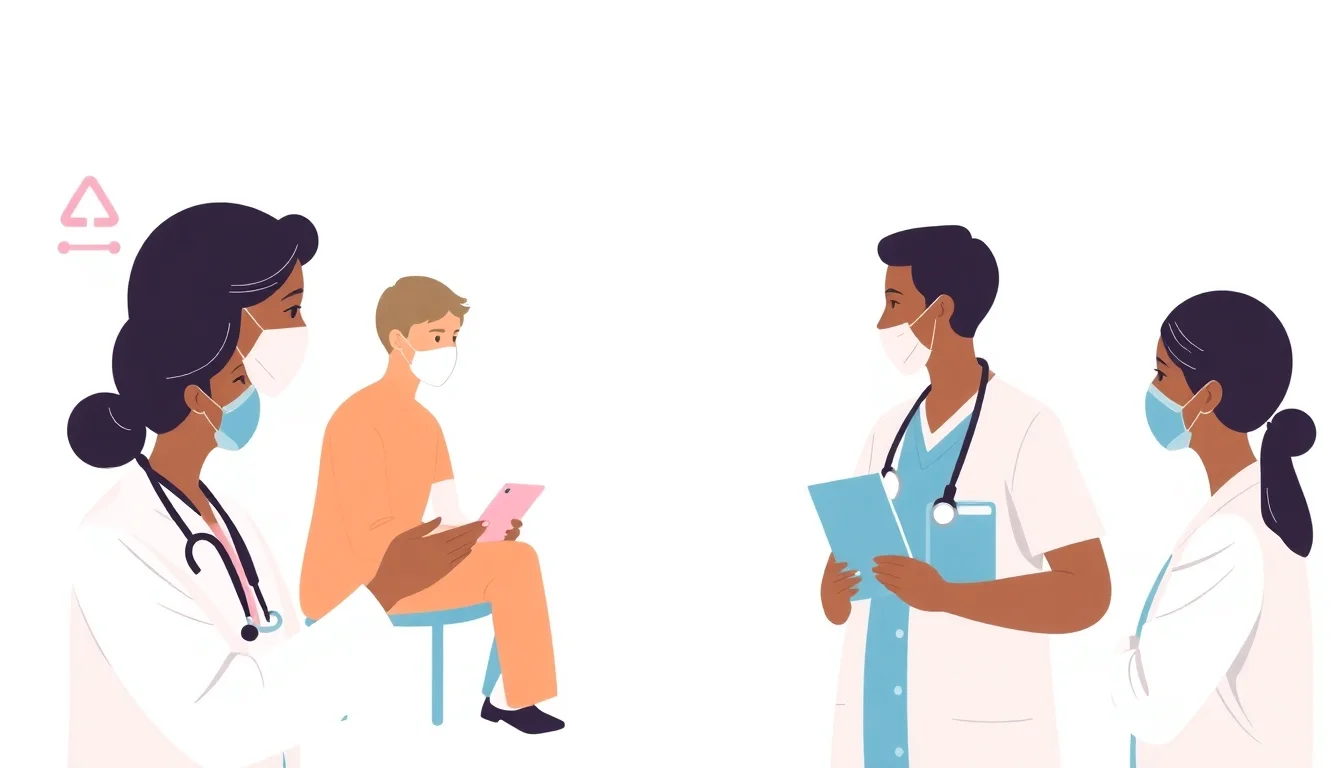
Healthcare access operates through a complex interplay of factors including availability, affordability, and acceptability of services. Availability refers to the presence of healthcare facilities and professionals, while affordability relates to the financial barriers that may prevent individuals from seeking care. Acceptability encompasses cultural and social factors that influence individuals' willingness to utilize healthcare services. For instance, in rural areas of Kenya, community health workers play a crucial role in bridging the gap between healthcare systems and underserved populations, providing essential services and education. Moreover, telemedicine has emerged as a vital tool in improving access, particularly in remote regions, by connecting patients with healthcare providers through digital platforms.
📊 Key Facts & Numbers
Several key figures and organizations are instrumental in advocating for improved healthcare access in Africa. Dr. Tedros Adhanom Ghebreyesus, the Director-General of the World Health Organization, has emphasized the importance of universal health coverage as a pathway to achieving health equity. Additionally, organizations like Doctors Without Borders and The Global Fund work tirelessly to provide medical assistance and resources to underserved populations. Local leaders, such as Dr. Akinwumi Adesina, President of the African Development Bank, also play a pivotal role in mobilizing funding and support for health initiatives across the continent.
👥 Key People & Organizations
The cultural impact of healthcare access is profound, influencing social norms and community health outcomes. In many African societies, traditional healing practices coexist with modern medicine, creating a unique healthcare landscape. For example, in South Africa, the integration of traditional healers into the formal healthcare system has been recognized as a means to enhance access and acceptability of services. This cultural blending can improve health literacy and encourage individuals to seek care. Moreover, public health campaigns that resonate with local customs and languages have proven effective in increasing awareness and utilization of healthcare services.
🌍 Cultural Impact & Influence
Controversies surrounding healthcare access often revolve around issues of equity and resource allocation. Critics argue that governmental policies frequently favor urban over rural populations, leaving many in remote areas without adequate services. Additionally, the privatization of healthcare raises concerns about affordability and accessibility for low-income individuals. Debates also persist regarding the role of international aid and its effectiveness in addressing systemic health disparities. Proponents argue that targeted aid can significantly improve health outcomes, while skeptics question its sustainability and long-term impact.
⚡ Current State & Latest Developments
Practical applications of improving healthcare access include the implementation of community health programs, mobile clinics, and telemedicine initiatives. For instance, the Community Health Worker model has proven effective in countries like Ethiopia, where trained local workers provide essential services and education in underserved areas. Furthermore, partnerships between governments and NGOs can facilitate the establishment of health facilities in remote regions, ensuring that care is accessible to all. Investment in healthcare infrastructure, such as roads and transportation, is also vital for improving access to services.
🤔 Controversies & Debates
Related topics that deepen the understanding of healthcare access include health equity, universal health coverage, and community health. Exploring these interconnected themes can provide valuable insights into the broader challenges and opportunities within the African healthcare landscape.
Key Facts
- Year
- 2024
- Origin
- Africa
- Category
- social-issues
- Type
- concept
Frequently Asked Questions
What are the main barriers to healthcare access in Africa?
Barriers to healthcare access in Africa include socioeconomic factors, geographical challenges, and systemic issues such as inadequate infrastructure and lack of healthcare professionals.