
Contents
- 🎵 Origins & History
- ⚙️ How It Works
- 📊 Key Facts & Numbers
- 👥 Key People & Organizations
- 🌍 Cultural Impact & Influence
- ⚡ Current State & Latest Developments
- 🤔 Controversies & Debates
- 🔮 Future Outlook & Predictions
- 💡 Practical Applications
- 📚 Related Topics & Deeper Reading
- Frequently Asked Questions
- References
- Related Topics
Overview
Climate change has roots in the early industrial activities of the 18th and 19th centuries, particularly with the advent of the steam engine and the widespread use of coal. The Intergovernmental Panel on Climate Change (IPCC) was established in 1988 to assess scientific information related to climate change and its impacts. The 1992 United Nations Framework Convention on Climate Change (UNFCCC) marked a significant milestone in global efforts to combat climate change, leading to the Kyoto Protocol in 1997, which aimed to reduce greenhouse gas emissions. The Paris Agreement in 2015 further solidified international commitment to limit global warming, emphasizing the need for collective action against climate change.
⚙️ How It Works
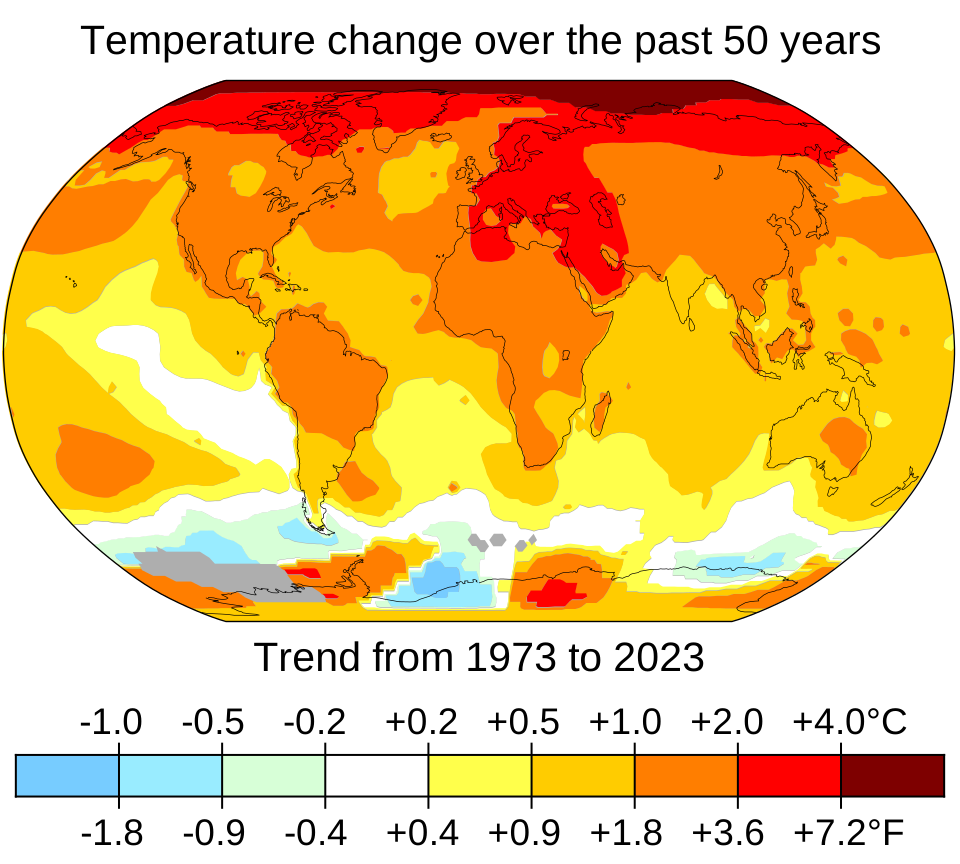
Climate change operates through the greenhouse effect, where certain gases trap heat in the atmosphere. When fossil fuels like oil, coal, and natural gas are burned, they release carbon dioxide and other greenhouse gases. This process has reportedly increased atmospheric carbon dioxide levels from approximately 280 parts per million (ppm) in the pre-industrial era to over 420 ppm today. The Arctic is reportedly warming at a rate nearly twice that of the global average, leading to significant ice melt and rising sea levels. The consequences of these changes are far-reaching, affecting weather patterns, biodiversity, and human livelihoods across the continent.
📊 Key Facts & Numbers
Key facts about climate change reveal its scale and urgency. Additionally, the United Nations estimates that climate change could displace millions of people due to environmental degradation. The economic cost of climate-related disasters is projected to reach $2.5 trillion annually by 2030, highlighting the need for immediate action.
👥 Key People & Organizations
Key figures in the climate change movement include Greta Thunberg, a prominent youth activist known for her global climate strikes, and Al Gore, former U.S. Vice President and environmental advocate. Organizations like the World Wildlife Fund (WWF) and Greenpeace play crucial roles in raising awareness and advocating for policy changes. The IPCC continues to provide critical scientific assessments that inform global climate policy. These individuals and organizations are pivotal in shaping public discourse and driving action against climate change.
🌍 Cultural Impact & Influence
The cultural impact of climate change is profound, influencing art, literature, and public policy. Movements like Fridays for Future and campaigns such as Earth Hour have mobilized millions globally, emphasizing the urgency of climate action. Films like Before the Flood and documentaries such as Our Planet have raised awareness about the effects of climate change, inspiring individuals to take action. In Africa, traditional knowledge and practices are increasingly recognized as vital in adapting to climate impacts, showcasing the continent's resilience and innovative approaches to sustainability.
⚡ Current State & Latest Developments
As of 2024, the current state of climate change is characterized by increasing extreme weather events, including droughts, floods, and hurricanes. The UN Climate Change Conference (COP), held annually, continues to be a platform for nations to negotiate and commit to climate action. In 2023, the IPCC released its latest report highlighting the urgent need for a 45% reduction in global greenhouse gas emissions by 2030 to limit warming to 1.5 degrees Celsius. Countries like Kenya and South Africa are implementing renewable energy projects to transition away from fossil fuels, reflecting a growing commitment to sustainable practices.
🤔 Controversies & Debates
Controversies surrounding climate change often revolve around the debate between economic growth and environmental protection. Critics argue that stringent climate policies may hinder economic development, particularly in developing nations. Conversely, proponents assert that the long-term costs of inaction far outweigh the short-term economic impacts. The role of fossil fuel companies in lobbying against climate regulations is also a contentious issue, raising ethical questions about corporate responsibility in the climate crisis.
🔮 Future Outlook & Predictions
Looking ahead, the future of climate change mitigation and adaptation is uncertain but critical. Experts predict that the next decade will be crucial in determining whether global efforts can effectively curb climate change. Innovations in technology, such as carbon capture and storage, and the expansion of renewable energy sources like solar and wind power are essential for reducing emissions. The next decade will be crucial in determining whether global efforts can effectively curb climate change and foster a sustainable future.
💡 Practical Applications
Practical applications of climate change solutions include the implementation of sustainable agriculture practices, reforestation projects, and the adoption of clean energy technologies. Initiatives like the African Renewable Energy Initiative (AREI) aim to harness Africa's abundant renewable resources to meet energy needs sustainably. Urban areas are increasingly adopting green infrastructure, such as green roofs and urban forests, to mitigate heat and improve air quality. These practical approaches not only address climate change but also enhance community resilience and well-being.
Key Facts
- Year
- 2024
- Origin
- Global
- Category
- social-issues
- Type
- concept
Frequently Asked Questions
What are the main causes of climate change?
The primary causes of climate change include the burning of fossil fuels such as coal, oil, and natural gas, which release greenhouse gases like carbon dioxide into the atmosphere. Deforestation and certain agricultural practices also contribute significantly to greenhouse gas emissions.
How does climate change affect Africa?
Climate change poses severe risks to Africa, including increased droughts, floods, and food insecurity. The African Union has highlighted that climate change could displace millions and exacerbate existing vulnerabilities. Countries like Ethiopia and Sudan are already experiencing significant impacts on agriculture and water resources, making it crucial for adaptive measures to be implemented.
What are the consequences of inaction on climate change?
Inaction on climate change could lead to catastrophic consequences, including rising sea levels that threaten coastal cities, increased frequency of extreme weather events, and loss of biodiversity. The World Bank estimates that climate change could push over 100 million people into poverty by 2030, highlighting the urgent need for global action.